
 Creative types entering the home staging industry often get sucked into wasting thousands of dollars on training by making these 5 common mistakes.
Here’s what you want to watch out for:
1. Taking home staging courses from someone who has never been a successful home stager.
This is especially common. Many companies claiming to offer home staging credentials are lead by people who have never earned a living as home stagers.
If you don’t think that matters, consider how likely they are to teach you things that work in the real world.
It’s easy to avoid this mistake. All you have to do is Google the trainer’s names—and company/brand names— you’re considering.
You can also check them out on LinkedIn. Take a look at their employment history and education. Pay special attention to the dates.
2. Chasing after home staging credentials because you think these will give you credibility.
This is a common mistake when you’re entering a new field. It’s normal to worry that potential clients won’t take you seriously.
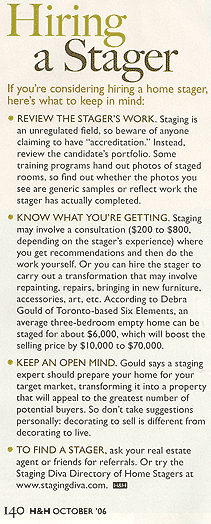
Contrary to misleading claims being made in this industry, there is no such thing as an official home staging credential.
If you are “certified” or “accredited”, it just means you took a particular course.
This is a completely unregulated industry and anyone can offer “certified courses” because there is no law or regulation to stop them.
When I started teaching home staging courses in 2005, I deliberately chose to avoid calling Staging Diva Graduates “Certified,” because I find this misleading to potential students as well as the general public.
Remember this was my choice!
It’s doesn’t mean you’re any less “Accredited” as a Staging Diva Graduate than anyone else from another program. I just don’t play this marketing game for the reasons mentioned.
You can choose to call yourself “certified” no matter what program you take, since there’s not really any such thing.
 The second thing to remember is that you won’t get automatic credibility if you say you’re a “Certified Stager.”
Even in legitimately regulated fields (medicine, accounting, law), I’m sure you’ve seen plenty of people you wouldn’t trust— no matter how many certificates or degrees they have on their wall.
And, did you know that in many cities home inspectors aren’t even regulated?
If you don’t need a special credential to call yourself a home inspector (where a mistake could lead to someone buying a property with hundreds of thousands of dollars of hidden defects), it’s unlikely there will be any great rush on the part of governments to regulate home staging.
How to gain credibility when there’s no such thing as “certification”
You get credibility from:
- The quality of your work
- How you treat your customers
- Your knowledge and contributions to your industry
- Marketing efforts and any media attention you receive
The right home staging course will address all of these factors. They’ll teach you what you need to know to present yourself in a professional way.
Make sure you find out exactly what you’ll be learning in a specific program. Don’t let claims of getting a “certification” be your guide.
Take a proper look at the description of each course, get a free sample, talk to your trainer. And find out whether there’s a money-back guarantee. Not everyone offers this.
3. Assuming that because a home staging course is endorsed by an association that it’s more official.
There are many associations claiming to be the voice of the home staging industry. Some provide useful information to their members.
If you’re assuming home staging associations are completely independent and objective, dig a little to see if that’s true.
Most are owned by people who also own home staging schools or offer training themselves, or their boards of directors are made up of trainers.
So, naturally they’ll endorse their own programs.
Others charge a fee to home staging training companies to be endorsed by them. So if they don’t endorse a particular program it may only mean that the training company didn’t choose to “apply” to be recognized by them.
If an association is not completely independent, you can’t assume because a home staging course is recognized by them that it automatically means it’s good training.
If might very well be a great program. You just need to look closer to make sure it meets your needs.
4. Assuming that all testimonials you read are legitimate.
You’ll never know with 100% certainty unless you contact the person giving the rave review personally.“The Staging Diva Training Program transformed my way of thinking about the business of home staging. I was formerly trained by two other 3-day staging programs. In fact, I was even a teacher for one of them!
But the staging pricing model was wrong in those other programs. It kept me stuck, trudging up a difficult hill wondering why I wasn’t making real money as a home stager.
It wasn’t until Debra Gould explained home staging consulting and billing correctly, that I was able to shift into higher home staging income levels.”
— Jill Gargus-Turgeon (AB)*Simply Irresistible Interiors Inc.

If the website running the testimonial uses incomplete names or doesn’t provide a photo and location, consider this a red flag.
There should be enough information provided to show that there’s a real person behind the words, and to make it possible for you to Google them if you want to.
Really read through these testimonials to see what kind of things they talk about. You’ll gain some insight into the types of people that take various programs — what they’re looking for and why.
If a review only says is “great program” that might mean it was great for them. It doesn’t mean it’s great for you. A proper review should say why they feel the way they do.
Different students have different needs. Be mindful of what’s important to you when evaluating any home staging course. Don’t accept hype like “#1 Course” without asking yourself, “Says who?”
5. Believing that the presence of media logos on someone’s website means the person is a recognized expert in the home staging field.
Sadly, anyone can put logos on their website, whether or not they’ve actually appeared in that magazine, newspaper or on a particular TV show.
So don’t take logos or claims of media attention at face value.
Look for actual TV clips, visuals of the actual pages they were on, or story excerpts that appear credible. Sometimes you’ll even find links to the story on the media company’s website. I provide these wherever possible when I mention a story or any Staging Diva media appearance.
Conclusion/Next Steps
Don’t take everything at face value. Evaluate the information.
There are great home staging courses for people with different needs. When you have a better picture of what you’re looking for and why you want to take a course, then you’re in a better position to evaluate whether you’ve found the right one.
Learn What Makes Staging Diva Courses Unique Here
You’ll also find this comprehensive home staging FAQ for aspiring home stagers helpful.



Glad to be here!
Biz partner & I have staged 5 houses this year in DC and/or very close-in MD neighborhoods (ie w/in 1-2 miles of DC line) Houses were listed in $1,040,000 (smallish house with not-great curb appeal) to $1,700,000 range and all but the low-end house, owner got offer for full price or more w/in 2 wks that lead to settlement. Biz partner & I are home girls & well-connected but unsure of pricing structure, client contract terms, etc. Have already gotten calls from agents who are heavier hitters – the better family houses in our area sell for $2m – $3m. Many are historic – not enormous but lots of curb appeal/charm but lacking in closet space, bathroom space, etc. Looking for classes /advice from stager who works with similar clientele. Thx very much!
Best, Meredith
Hi Meredith, You’ve come to the right place. The Staging Diva Home Staging Business Training Program is a complete business model for you to follow, which addresses everything you mentioned and more. Many experienced home stagers have found it tremendously helpful in boosting their income dramatically. You can read their comments over at StagingDivaReviews.com
I have always love decorating and because of that I considering staging I believe this is a career that I can succeed in and would like to try very much the end and out and how to proceed.
Sandra, You’ve totally come to the right place to use your decorating talent to build a business. I look forward to welcoming into my inner circle where I share the complete formula for growing a profitable home staging business.
I was excited to read about your accomplishments! Looking forward to more information about becoming a stager. I have a great interest in pursuing this field. Need some guidance!
Hi Ann, thanks for commenting! You’ve totally come to the right place to learn how to make money from your creative talent! I hope you’ve joined my email list (see the sign up box on the top of this page!) so that you’ll get my free monthly newsletter and advance notice of any special promotions… like the one coming out in the next day or so for the holiday weekend!
Looking forward to getting more information. Staging has always been my passion.
Angelia, I hope you’ll join me for a Mini-Course I’m teaching by telephone conference call.
You can grab a FREE pass to this event, called 5 Simple Secrets to Making More Money in Home Staging at this link.
You’ll find all the details on that page. And note, that even if you can’t attend live, as long as you’re pre-registered, you’ll get a free recording of it afterwards.
Great article!
Thank so much Karla! I would love for you to experience what learning with me is like and join me for a FREE mini course I’m teaching called “5 Simple Secrets to a Home Staging Business: How to Make Money Doing What You Love.”
You can get all the details here!
Please it me on list for Staging business report
I just subscribed you but you’ll need to look in your email for the confirmation email from me and go ahead and confirm your subscription.
For anyone else reading this, you can subscribe to Home Staging Business Report just by entering your name and email in the green box on this page.
Yes I would like to get your emails thank you very much
Tammy, I’m so glad you found me and that you’re interested in receiving my emails. All you need to do is enter your name and email in one of the sign up boxes on this page. If you want the special report, that’s on the right. If you just want to get notifications of posts in this blog, that’s the green box at the top of this page: https://www.stagingdiva.com/homestagingbusiness
Great information for my situation.
Thanks
Great info since I’m looking into taking some courses online. I’ve always enjoyed decorating. Need some guidance
Debbie, you’ve totally come to the right place for guidance on turning your decorating talent into a real business. Keep you eye on your email Friday for a special invitation to grab a free pass to a course I’m teaching called “5 Simple Secrets to Making Money in Home Staging.”
Thanks for commenting! You’ll also be getting a free subscription to my monthly newsletter Staging Diva Dispatch.
With both of these you’ll get a first hand look at what learning with me is like.
Your article helped me out a lot. I’m looking forward to starting a new career in staging. And wanted to know the best way to go about it .
Glad I could help you with some starter info Phaedra! I hope you’ll join me for this course I’m teaching on 5 simple secrets to making more money in home staging. You can get a free pass and a first hand experience of what learning with me is like. Here’s the info: https://www.stagingdiva.com/homestagingfreepreview.html
Thanks this was very helpfull. I truly have a passion for interior decorating and would love being able to be a home stager. So this has inspired me even further!!!
I’m so happy to hear that Cary, thanks for commenting!
I would like to receive Home Staging business Reports.
Thank you
I’m so glad Katherine! All you have to do is sign up through the big green box on this page: https://www.stagingdiva.com/homestagingbusiness
I’m very interested
So glad you’re interested Sonia. As a starting point, why not sign up for this Free Jumpstart Course?
Please send me the home staging business report-thanks!
Annie, I just subscribed you to Home Staging Business Report as you requested, please check your email so that you can confirm your subscription.
I am interested
That’s great Zoanna, perhaps you’d like to start off with my free Jumpstart course, you can sign up for it for free at:
https://www.stagingdiva.com/free-12-tips-staging-course.html
I am interested
That’s great Dekasa! As a next step, perhaps you’d like to try my free quiz to see if you have the eye of a home stager.
I look forward to teaching you what you need to know to start and grow a profitable home staging business.
I would like more information on your staging courses.
Hey Kimberly, Thanks for your interest. I just signed you up for the FREE Staging Diva Home Staging Quiz. Watch your email for it. Inside the quiz (which I think you’ll find fun and informative), you’ll also find a full description of the Staging Diva Home Staging Business Training Program. You can also learn more about it here.
I am interested and would like some materials
Tiffany, Thanks for your interest. I just signed you up for the FREE Staging Diva Home Staging Quiz. Watch your email for it. Inside the quiz (which I think you’ll find fun and informative), you’ll also find a full description of the Staging Diva Home Staging Business Training Program. You can also learn more about it here.
Thanks for commenting, looking forward to showing you how to turn your talent into a successful home staging business.
I am interested please.
Thank you!
Sandra, Thanks for your interest. I just signed you up for the FREE Staging Diva Home Staging Quiz. Watch your email for it. Inside the quiz (which I think you’ll find fun and informative), you’ll also find a full description of the Staging Diva Home Staging Business Training Program. You can also learn more about it here.
Thanks for commenting, looking forward to showing you how to turn your talent into a successful home staging business.
I am very interested in more information about Home Staging.
Thank you!
Hi Carmen, I noticed you’re already on my email list because you ordered the free home staging quiz. If you have some specific questions you’d like answered, please don’t hesitate to reach out to me by email. Simply hit the “reply” button on my last email. Glad to have you in the community and I look forward to helping you grow a successful home staging business!
Hello.im very interested in home staging and would love any tips or info.thank you
Hi Amanda, this blog, Home Staging Business Report, is filled with free tips. I hope you subscribed in the green box at the top of this page: https://www.stagingdiva.com/homestagingbusiness
I also offer various free reports to get you started. You’ll see them offered on this site. When you’re ready to take your learning further and get the full blueprint for having a successful home staging business, I hope you’ll explore the Staging Diva Home Staging Business Training Program.
Great article! Sign me up for the subscription please!
Please send info!
You can read all the details about my home staging training program at https://www.stagingdiva.com/homestagingcourses.html
I am very interested in Home staging. I have been for many years I just never had the chance to get started. I would love the subscription as well as getting more information.
Fantastic Bridgette, please use the sign up box to receive your subscription.
I’m am interested in your online staging course
How do I sign up
And what is the fee?
That’s great Brenda! You can read all about the Staging Diva Home Staging Business Training Program at:
https://www.stagingdiva.com/homestagingcourses.html
And if you check soon, you’ll be able to take advantage of the huge sale I’m running right now!
i have been given a opportunity to start staging homes with two brokers here in Hawaii. I want to be successful for myself and for them because they are giving me such a great opportunity.
That’s fantastic Marsha! I can teach you how to make a great living from those first projects. I hope you will check out the Staging Diva Home Staging Business Training Program.
Thx in advance for the subscription
You’re most welcome, happy you’ve found our community of home stagers!
Thanks–I am trying to figure out which class would be best for me and would love any information that will help me find the right one.
Hi Susan, Thanks for commenting and I’m glad you found me. I’ve just signed you up for my Free Jumpstart Course so you can get a better sense of what learning with me is like. You will find lots of helpful tips in there that will help you narrow down what program is right for you. I also encourage you to read about the Staging Diva Home Staging Business Training Program in more detail.
If you have additional questions, please don’t hesitate to email us at info@stagingdiva.com
I am interested and would love some home staging materials.
Hi Traci, Thanks for your interest! You can learn about the Staging Diva Home Staging Business Training Program in detail here. Please note it’s on sale this week!
I would like more information.
Fantastic Mary, I look forward to helping you on your journey to a successful career in home staging.
Click here to read about the Staging Diva Home Staging Business Training Program in detail.
I am excited to receive more information!
Hi Laurie,
I’m looking forward to helping you on your journey to become a successful home stager. You can read about the complete Staging Diva Home Staging Business Training Program here.
I would love more information on your training and how to get in to this business please.
Hi Roxanne, I have emailed you the information you requested on how to get started in a home staging business. You can also read about the complete Staging Diva Home Staging Business Training Program here.
Love to have more info on how to get in to this business . is it different from country to another ?
Thanks
Kenza, I have a proven home staging business model that is working for my Staging Diva Grads in 23 countries so far. Some are in smaller towns, others in large mega cities in locations as diverse as Anchorage, Alaska, New York City and Tasmania!
I hope you’ll check out my full training program here.
I, too, would love more information!
Hi Marcia, Thanks for commenting! You can read all about the Staging Diva Home Staging Business Training Program here.
Hello I am considering taking a online course for home staging. I have read a few companies offering courses. Do you provide online courses
Tori, My courses aren’t “online” in the sense that you don’t have to be on the Internet to take them. You DO order online and then you can download them onto your own computer or have them sent to you in the mail. Either way, you are learning from home at your own convenience and since you actually take possession of the full program (rather than doing it “online”), you never lose access and you can re-listen, pause, etc as often as you like.
In other words, you’ve come to the right place and I can teach you everything you need to know to make a living from your own home staging business. Please read about the full Staging Diva Home Staging Training Program here.
I Debra! It’s been very enlightening reading up on your website. I was actually researching programs to enroll in to become an accredited home stager. But from reading your info., it’s not necessarily required. Is that right? I certainly would not want to waist hundreds or thousands of dollars trying to become certified if it’s not necessary. I am looking to get started with training as soon as possible and would like to get signed up for your Staging Diva Training program to become a Staging Diva Home Staging graduate. I am taking your Staging Savvy Quiz and is actually doing very well so far. I am just about to start on Room #5. What is the cost of your training program? And again, I don’t need to be accredited?
Hi Michelle, I’m so glad you find all the free information I share valuable. Imagine what you get when you’re part of my Inner Circle as a student of the Staging Diva Home Staging Business Training Program!:)
That is correct, there is absolutely no requirement to be “certified” or “accredited” to be a professional home stager because none of these are official. This is marketing gimmick used by many companies in this completely unregulated industry. Anyone can create their own training program and tell people they will be certified if they take it.
That’s why I suggest researching who will be teaching you and what they’ll be teaching you because that’s what’s important, not that they say you’ll be “certified.”
What’s interesting about these fake credentials is if you read the fine print by the people offering them, you’ll find that you have to pay an ongoing fee to say that you have their accreditation. In other words, it’s clearly not a credential! I don’t have to pay the universities where I got my BA and my MBA an ongoing fee to put “BA, MBA” after my name. It is my right (I just choose not to do it). My point is, those are REAL credentials which I earned. They don’t take away my degrees because I don’t pay the alumni fund every year 🙂
I encourage you to read (and listen to free samples) of the Staging Diva Home Staging Business Training Program here.
You will probably find this testimonial informative as well! This Staging Diva Grad took the other “certified” and “accredited” courses first (and couldn’t make a living), she even taught one of them!! Then she took the Staging Diva Program and it completely turned things around for her. Read what Jill Gargus says here.
Would love to receive your free weekly email & more info your course on Staging! Thanks, Sandi
Hi Sandi, Thanks for commenting. I’ve just added your email address to my list so you’ll get my newsletter and any special offers. In the meantime, you can read all about my Staging Diva Home Staging Business Training Program here.
Thanks for visiting!
Very interesting article! I would like to read more.
Thank you!
Glad to help Dana! If you’d like to read about the Staging Diva Home Staging Business Training Program, and what makes it different, please click here.
Interested in more information please, consider myself a creative soul with a strong interest in home furnishings & staging.
Thanks for commenting Mary! You’re the perfect type of person for the Staging Diva Home Staging Business Training Program, because I show you how to take that talent and passion that you already have and turn it into a money making business.
I hope you’ll read about my home staging courses in more detail here.
I’m a single mom and musician (singer/songwriter & flutist). I’ve always been passionate about design and home furnishing. I was in a car accident 2 years ago and the injuries to my spine made being a working/gigging musician difficult for the time being. I’m really interested in getting into home staging as not only a need for financial stability but also another way to create. I am very interested in more information about your training courses.
Thanks for commenting Kathryn! I’m so sorry to hear about your accident. The “good” news is, home staging doesn’t have to be a physically demanding job when you follow my business model. I’ve had back and neck issues myself for years (I was also in a bad car accident when I was 13), and don’t do anything more strenuous than hanging art or a shower curtain 🙂
This career will definitely let you use your talents and passion for design and decor and can be quite lucrative when you follow the approach I lay out in the Staging Diva Home Staging Business Training Program. You can read about it in detail here.
Thank you so much for getting back to me! That’s super encouraging to hear. Of course I’m hoping to be able to do more and more physical activity as I go along so I can try to regain what I’ve lost since the accident. I’m going to take the plunge and sign up for the training.
Kathryn, I’m so glad you’re focused on the future and making your dream come true despite previous setbacks. Good for you!!! Was also really happy to see that you’ve joined my inner circle of Staging Diva Students! I’m looking forward to getting to know you inside our private Staging Diva Network Online Discussion Group.
Hi there I’m currently a home stager, but I would like to expand my knowledge and earn a certification for home staging…does your business offer me that?? Or do you know of anywhere else I can look into certification to become a certified home stager. As my boss has a diploma for interior decorating and I know I will need to have either what she has or atleast something for home staging
Kenzie, I encourage you to read the article, especially point 2. There is no such thing as a “certified” home stager because this is a completely unregulated industry. Anyone who offers a course can tell you you’re certified. If you take the Staging Diva Home Staging Business Training Program, you will get a certificate. And you can call yourself a certified home stager.
My point was, that shouldn’t be your primary reason for taking a course. You should take a course that will teach you something you feel you need to know. And make sure you’re learning from someone who actually knows what they’re talking about. Many “certified” courses are taught by people who have never been successful home stagers!
This was the best article!!! Thank you for writing it!
Thanks, I’m so glad you found it helpful! I encourage you to check out some of the free reports on my website here. I’d love to help you in your journey as a home stager.
My pleasure Megs! I was just going to send you a special invitation to something and realized you’re not on my email list. Check out these free gifts which might be of interest.